
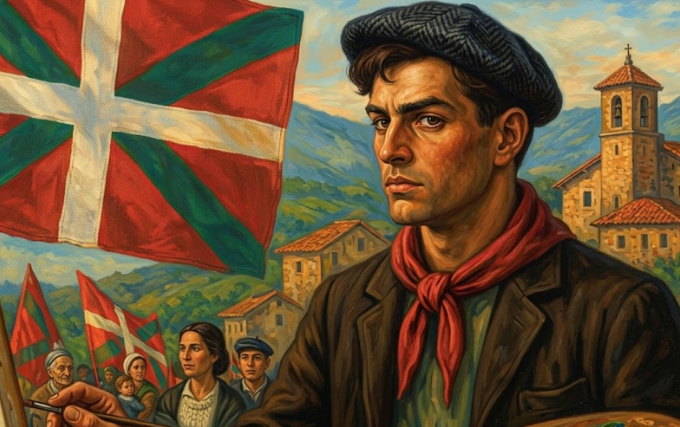
The term BasqueSeparatists (basqueserpartists) refers to political movements and groups associated with the Basque Country that have historically sought greater autonomy or full independence from Spain and, in some cases, France. The Basque people have one of the oldest and most distinct cultural identities in Europe, with their own language (Euskara), traditions, and historical institutions. Over the last century, this strong identity has fueled both peaceful political activism and, at times, violent separatist movements.
Who Are the Basque Separatists (basqueserpartists)?
The term basqueserpartists broadly refers to individuals, political groups, and historical organizations that support the idea of Basque self-determination. The Basque Country is located in northern Spain and southwestern France. It includes several provinces such as Biscay, Gipuzkoa, Álava (in Spain), and parts of Navarre and the French Basque region.
Basque separatists are not a single unified group. Instead, they range from:
- Peaceful political parties advocating autonomy or independence
- Cultural organizations promoting Basque identity
- Former militant groups (most notably ETA) that once used violence for political goals
Today, most Basque separatist movements operate through democratic political channels.
Historical Background of the Basque Independence Movement
Early Basque Identity
The Basque people have lived in their region for thousands of years. Their language, Euskara, is unrelated to any other known European language, which adds to their sense of uniqueness. Historically, Basque provinces had special legal rights called “fueros,” which allowed a degree of self-governance within Spain.
Loss of Autonomy
In the 19th century, Spain gradually centralized power and reduced these traditional rights. Many Basques felt their cultural and political autonomy was being erased. This laid the foundation for early nationalist ideas.
Rise of Basque Nationalism
In 1895, Sabino Arana founded the Basque Nationalist Party (PNV), which became the first major political force advocating Basque identity and autonomy. Initially, it focused on cultural nationalism rather than independence.
The Emergence of Radical Basque Separatism
The 20th century brought political instability in Spain, including the Spanish Civil War (1936–1939) and the dictatorship of Francisco Franco.
Franco Era Suppression
Under Franco’s dictatorship, Basque language and culture were heavily suppressed. Speaking Euskara in public was discouraged, and regional autonomy was abolished. This repression fueled anger and resistance among Basque nationalists.
Formation of ETA
In 1959, a militant group called ETA (Euskadi Ta Askatasuna, meaning “Basque Homeland and Freedom”) was formed. ETA became the most well-known Basque separatist organization and is often what people refer to when discussing basqueserpartists in a historical context.
ETA initially focused on cultural resistance but later turned to armed struggle, including bombings, assassinations, and kidnappings, targeting Spanish government officials, security forces, and other figures.
Goals of Basque Separatists
The goals of Basque separatists (basqueserpartists) have varied over time depending on ideology and political context. However, they generally include:
1. Independence
Some groups seek a fully independent Basque state separate from Spain and France. This is the most ambitious political goal.
2. Greater Autonomy
Other groups prefer expanded self-governance within Spain, including control over taxation, education, and policing.
3. Cultural Preservation
Protecting and promoting the Basque language, traditions, and identity is a central goal for nearly all Basque nationalist groups.
4. Political Recognition
Many movements aim for formal recognition of the Basque people as a distinct nation with the right to self-determination.
ETA and the Era of Violence
ETA played a major role in shaping international perceptions of Basque separatism.
Activities
Between the 1960s and early 2000s, ETA was responsible for:
- Bombings in public places
- Assassinations of Spanish officials, police, and military personnel
- Kidnappings for ransom and political pressure
The violence resulted in over 800 deaths over several decades, making it one of Europe’s most active separatist militant groups.
Public Reaction
While ETA initially had some support among Basque communities due to opposition to Franco’s dictatorship, public opinion shifted dramatically over time. Many Basques began rejecting violence and advocating peaceful political solutions.
End of ETA
In 2011, ETA announced a permanent ceasefire. In 2018, it formally dissolved, marking the end of its armed campaign.
Modern Basque Separatist Politics
Today, Basque separatism is largely expressed through democratic institutions.
Major Political Parties
- Basque Nationalist Party (PNV): A moderate, long-standing party that supports greater autonomy within Spain rather than full independence.
- EH Bildu: A left-wing coalition that includes former nationalist and pro-independence groups. It supports self-determination through peaceful and democratic means.
These parties participate in elections and regional governance in the Basque Autonomous Community.
Political Impact of Basque Separatism
The influence of basqueserpartists has significantly shaped Spanish politics.
1. Decentralization of Spain
One of the most important impacts has been Spain’s transition into a highly decentralized state. Regions like the Basque Country and Catalonia have extensive self-governing powers, including:
- Control over education systems
- Regional police forces
- Tax collection systems in the Basque Country
2. Constitutional Changes
Spain’s 1978 Constitution recognized regional autonomy, partly as a response to Basque and Catalan nationalist demands after Franco’s dictatorship ended.
3. Security and Anti-Terror Policies
ETA’s violent campaign led Spain to strengthen anti-terror laws, expand police cooperation with France, and increase security measures across Europe.
4. Political Polarization
Basque separatism has sometimes created tension between nationalist and central government parties. However, over time, democratic dialogue has replaced much of the earlier conflict.
Basque Identity Today
Modern Basque identity remains strong and culturally vibrant. The region has:
- A thriving Basque-language education system
- Unique traditions such as rural sports (herri kirolak)
- Distinct cuisine and cultural festivals
- Strong regional institutions
Most Basques today identify both as Basque and Spanish (or French), reflecting a dual identity rather than exclusive separatism.
Challenges Facing Basque Separatism Today
Even though violence has ended, political debates continue.
Declining Support for Full Independence
Support for full independence is lower than in the past, though calls for autonomy remain strong.
Economic Integration
The Basque Country is one of Spain’s wealthiest regions, and economic ties with Spain and the EU make full independence more complex.
Generational Change
Younger generations often focus more on employment, climate issues, and European identity than separatist politics.
Conclusion
The story of BasqueSeparatists (basqueserpartists) is complex, shaped by deep cultural identity, political struggle, and a long history of conflict and reconciliation. What began as a movement to preserve language and autonomy evolved in some cases into armed struggle, most notably through ETA. However, today the Basque separatist movement is primarily peaceful and democratic.
Modern Basque politics continues to influence Spain’s structure, pushing for greater regional autonomy and cultural recognition. While full independence remains a debated topic, the Basque Country stands as one of Europe’s most successful examples of a region balancing strong local identity with participation in a larger nation-state.
Ultimately, understanding basqueserpartists requires looking beyond conflict and recognizing the cultural, historical, and political forces that continue to shape the Basque people’s aspirations today.
